
Homeowner guide
Repair or Replace? How to Decide on Your Seattle HVAC System
A practical guide to deciding whether to repair or replace a furnace, AC, or heat pump, using age, repair cost, efficiency, and comfort as your yardsticks.
By Aakool Heating & Cooling·· 6 min read
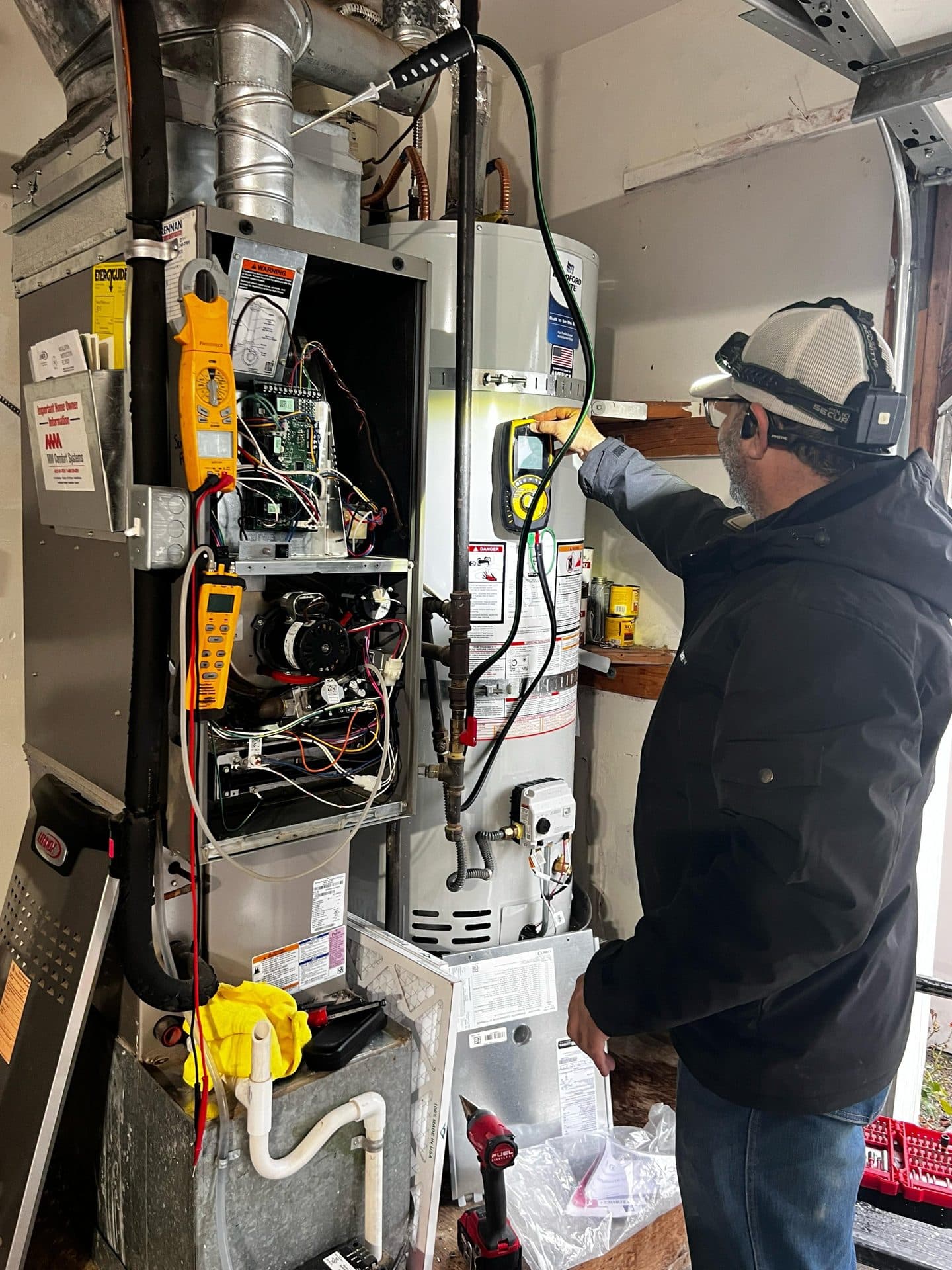
Every HVAC contractor gets the same question on a cold January morning: "Is it worth fixing, or should I just replace it?" There is no single answer, but there is a reliable way to think it through. Here is the framework we use with our own Seattle customers.
Start with the age of the system
Gas furnaces typically last 15 to 20 years. Air conditioners and heat pumps last 12 to 18 years in our climate, a bit longer when well maintained. If your equipment is inside that window, repair is usually reasonable. If it is past it, every dollar you spend on repairs is buying a shrinking amount of remaining life.
Apply the 50% rule
A common industry guideline: if a repair will cost more than half the price of a comparable new system, replacement is usually the better financial choice. Pair this with age. A $900 repair on a 6-year-old heat pump is an easy yes. The same repair on a 17-year-old unit deserves a harder look.
The 5,000 rule
Another quick check: multiply the age of the system by the repair cost. If the result is over 5,000, lean toward replacement. A 14-year-old furnace needing a $500 repair equals 7,000, which suggests putting that money toward a new unit instead.
Factor in efficiency and operating cost
Modern furnaces reach 95 to 98 percent AFUE; many older units are in the 70s or 80s. New heat pumps and air conditioners are dramatically more efficient than units from the early 2000s. If your bills have been climbing, replacement can pay part of its own cost back through lower energy use, often 20 to 40 percent less.
Watch for the warning signs
- Repairs every year, or two breakdowns in the same season
- Uneven temperatures, rooms that never get comfortable
- Rising energy bills with no change in usage
- Excessive noise, short cycling, or constant running
- A cracked heat exchanger on a furnace, which is a safety issue and almost always means replacement
- R-22 refrigerant systems, which are increasingly expensive to service
Consider comfort and timing
Replacing on your own schedule, in the shoulder season, is far less stressful than replacing after a failure during a cold snap. If your system is old and you are already weighing the decision, planning the replacement for spring or fall gives you more options and better pricing, and it avoids an emergency install.
Get a second set of eyes
If you are unsure, have a technician inspect the system and give you a written assessment. At Aakool Heating and Cooling we do this every day for Seattle homeowners, and we will lay out the repair estimate and the replacement estimate side by side so you can decide with clear numbers in front of you.